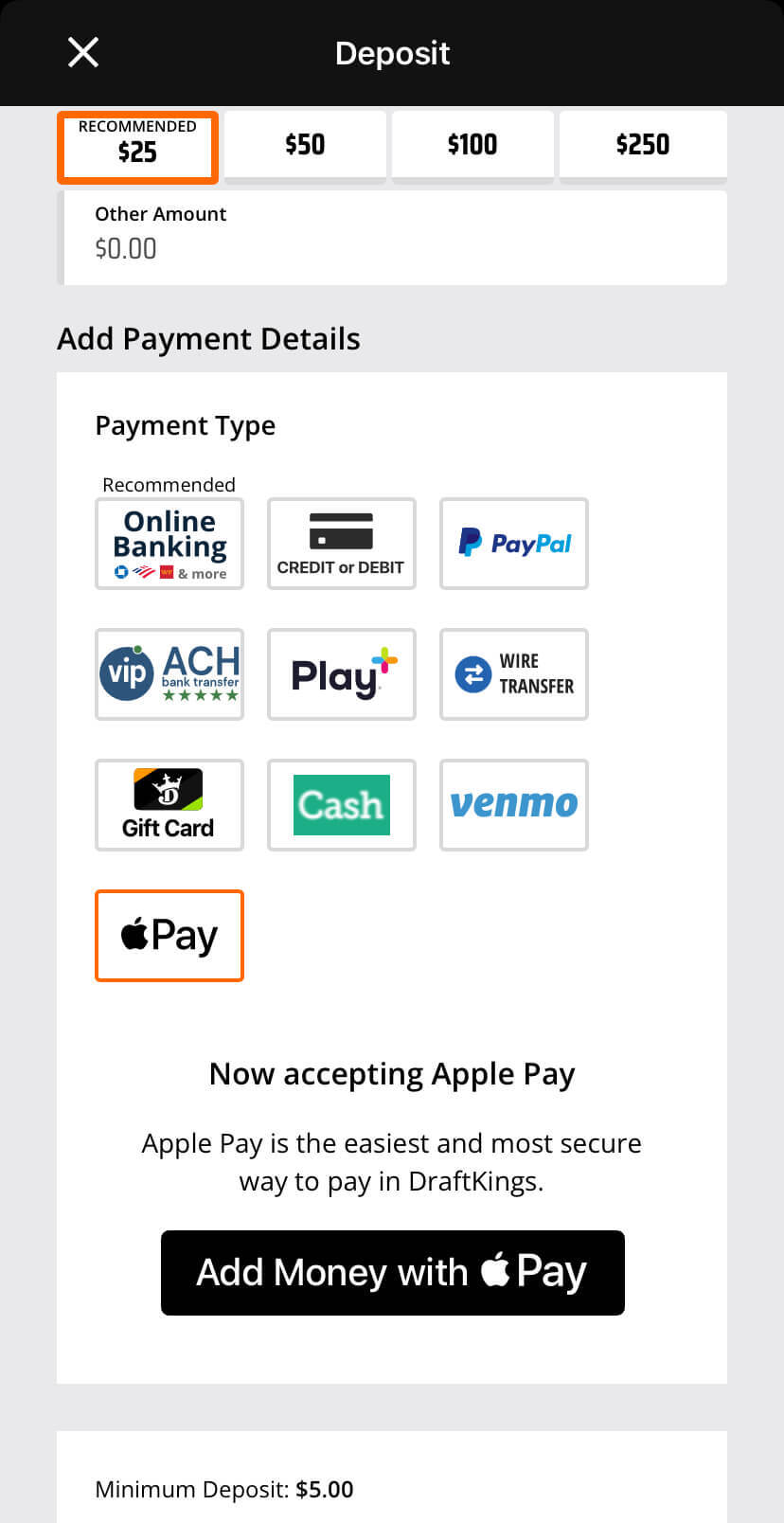
In today’s fast-paced digital world, payment methods play a crucial role in the betting industry. Among these, Apple Pay bookmakers not on GamStop Apple Pay casinos not on GamStop have gained significant attention. However, while Apple Pay has become a favored option for many gamblers, a number of bookmakers still do not support this payment method. Understanding why some bookmakers are absent on the Apple Pay platform can help bettors make informed decisions. In this article, we delve into the intricacies of Apple Pay, the impact of its absence, and what alternatives exist for punters.

What is Apple Pay?
Apple Pay is a mobile payment and digital wallet service developed by Apple Inc. that allows users to make payments in person, in iOS apps, and on the web. Launched in October 2014, it has quickly become one of the most convenient ways for users to transact without the need for physical cards. Users simply add their card details to the Apple Wallet app and can make payments with their iPhones or Apple Watches.
The Rise of Digital Payments in Betting
The betting industry has witnessed a significant Shift towards digital payments over the last decade. With the rise of mobile technology, punters prefer fast, seamless, and secure methods of funding their accounts and withdrawing winnings. This shift has led to the advent of various online bookmakers adopting multiple payment methods to cater to a diverse audience. Apple Pay, with its convenient user interface and high-security features, would seem like a natural choice for many betting platforms.
Reasons for the Absence of Bookmakers on Apple Pay
Despite the clear advantages of Apple Pay, numerous bookmakers still do not offer this payment option. Here are some of the reasons behind this absence:
1. Regulatory and Licensing Challenges
One of the primary reasons for the non-availability of Apple Pay in certain bookmakers is due to regulatory and licensing issues. Betting is heavily regulated in many jurisdictions, and not all bookmakers have the necessary licenses to operate with Apple Pay. This can restrict them from integrating with the service.
2. Merchant Fees
Every payment processor, including Apple Pay, charges transaction fees. These fees can be higher for certain bookmakers, particularly smaller or newly established ones who may be looking to minimize operational costs. As a result, they might choose to forego Apple Pay in favor of cheaper alternatives.
3. Technical Integration Issues
Integrating any new payment method requires technical resources and know-how. Bookmakers that lack the required IT infrastructure may find it challenging to incorporate Apple Pay into their platforms. This can be especially true for smaller operators or those who are not particularly tech-savvy.
4. User Demographics
Some bookmakers may assess their user demographics and decide that the majority of their customers prefer other payment methods. If the data shows that a significant number of users do not utilize Apple devices, the bookmaker may choose not to invest in Apple Pay integration.
5. Payment Method Diversity
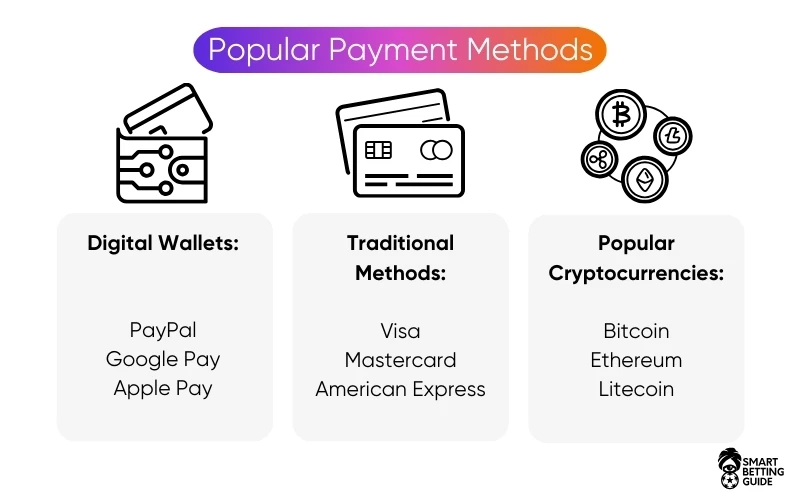
Bookmakers often aim to offer a myriad of payment options to cater to a diverse audience. This diversity includes traditional methods like bank transfers, e-wallets, cryptocurrencies, and prepaid cards. In a competitive market, bookmakers may opt to prioritize these other methods that have wider user acceptance and provide more flexibility.
Alternatives to Apple Pay
While it is unfortunate that some bookmakers do not accept Apple Pay, there are numerous alternative payment methods available to users:
1. Credit and Debit Cards
Traditional payment cards remain one of the most commonly accepted options across many online bookmakers. They are convenient and widely trusted, making them easy for punters to use.
2. E-Wallets
Services like PayPal, Skrill, and Neteller are popular among online bettors, offering quick transactions and added security. These e-wallets often facilitate rapid deposits and withdrawals.
3. Cryptocurrencies
With the rise of digital currencies, many bookmakers now accept Bitcoin, Ethereum, and other cryptocurrencies. They offer anonymity and usually lower fees, making them appealing to tech-savvy users.
4. Bank Transfers
Direct bank transfers are often available for those who prefer to manage transactions directly from their bank accounts. Although they may take longer compared to other methods, they can be a secure alternative.
5. Prepaid Cards
Prepaid options, like Paysafecard, enable users to make deposits without needing to provide bank details, adding an extra layer of anonymity and security.
Conclusion
The absence of Apple Pay among certain bookmakers does not diminish its value as a payment option. Understanding the diverse landscape of online gambling, including payment preferences and regulatory challenges, is vital for bettors. While Apple Pay offers ease and security, there are sufficient alternatives available that ensure compliance with personal preferences and gaming regulations. As the betting industry continues to evolve, it is likely that more options, including Apple Pay, will become available, satisfying the growing demand for secure and quick online transactions.